
Imagine taking a listing from someone who appears to be the property owner.
You communicate by phone and email.
They provide identification.
They sign the listing agreement.
You receive an offer.
Escrow is opened.
Everything seems legitimate.
Except for one problem:
The person selling the property doesn't own it.
It's called seller impersonation fraud, and it's becoming an important risk for Realtors, property owners, escrow and title professionals to recognize.
The real owner may have no idea their property is even for sale.
This isn't a hypothetical scam.
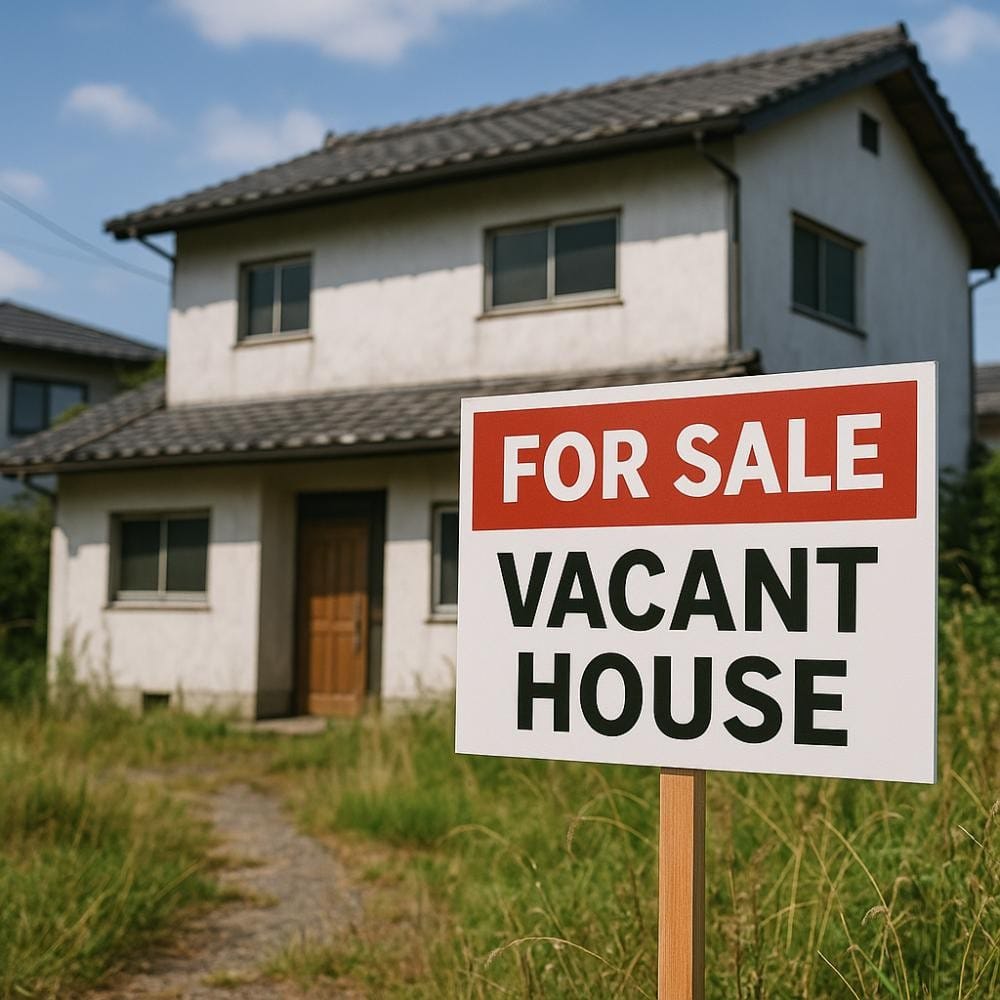
It's happening in real estate transactions across the country, and vacant and absentee-owned properties appear to be particularly attractive targets.
In June 2026, the FBI issued a warning about criminals impersonating owners of vacant property and attempting to illegally sell those properties without the owner's knowledge.
The California Department of Real Estate has issued its own warning to California real estate professionals.
For Realtors, escrow officers, title professionals, investors and property owners, there's an important lesson here:
When something doesn't look right, slowing the transaction down may be the fastest way to protect everyone involved.
What Is Seller Impersonation Fraud?
Seller impersonation fraud happens when a criminal pretends to be the legitimate owner of real estate and attempts to sell property they don't actually own.
This is different from someone simply creating a fake Craigslist ad.
These criminals may have enough legitimate information about the owner and property to make the transaction appear convincing.
According to the FBI, criminals can obtain property-owner information through public records, data brokers, compromised accounts, phishing and other sources.
They may then create:
In other words, seeing an ID with the correct owner's name isn't necessarily enough anymore.
That's what makes these transactions dangerous.
Seller impersonation is just one of several fraud risks affecting real estate transactions today.
You can find additional warning signs and prevention resources on my Fraud Watch page.
An ALTA study found that 28% of responding title companies experienced at least one seller impersonation fraud attempt during 2023.
Why Vacant and Free-and-Clear Properties Get Attention
Think about this from the criminal's perspective.
An owner-occupied home creates obstacles.
There are neighbors.
There are occupants.
There may be a mortgage lender.
There are people physically connected to the property.
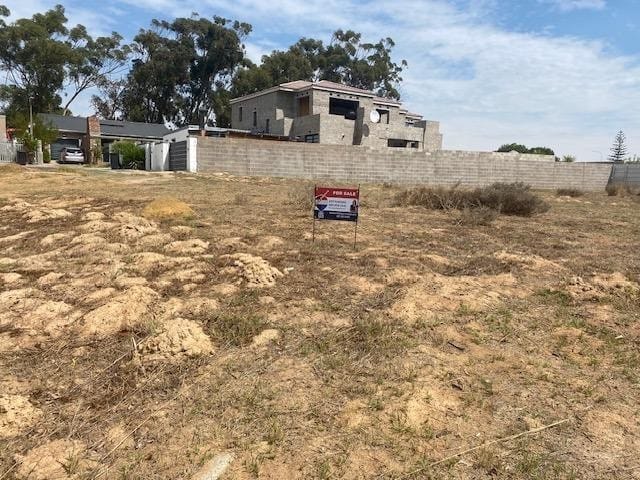
Now consider a vacant parcel or an absentee-owned property.
Nobody may visit it for months.
The owner may live hundreds or thousands of miles away.
There may be no mortgage.
And much of the basic ownership information can be found through public records.
The California Department of Real Estate warns that these schemes often target properties such as:
None of these things means a transaction is fraudulent.
But several of them appearing together should cause us to ask more questions.
How the Scam Typically Works
The details vary, but the pattern is often surprisingly simple.
Step 1: Find the property
The criminal identifies a property that appears to be a good target — often vacant, non-owner occupied or free and clear.
Step 2: Identify the real owner
Public records and information available online can provide enough information to begin building a fake identity around the legitimate owner.
Step 3: Contact a Realtor
The impersonator contacts an agent and says they want to sell.
Sometimes there is a perfectly reasonable explanation for why they can't meet in person.
They're traveling.
They live out of state.
They're busy.
They're dealing with a family situation.
Any one of those explanations may be completely legitimate.
It's the combination of circumstances that matters.
Step 4: Create urgency
The seller may want the property priced aggressively.
They may prefer cash.
They may want a quick closing.
They may discourage a sign from being placed on the property.
They may avoid video calls or face-to-face meetings.
Again, none of these individually proves fraud.
But the more boxes that get checked, the more careful we should become.
Step 5: Get through closing
If the impersonator can convince the Realtor, escrow, title company and notary that they're the legitimate owner, fraudulent documents may eventually be signed.
The final objective is simple:
Get the sale proceeds before anyone realizes the seller wasn't the seller.
The Red Flags Realtors Should Watch For
Here's where I think real estate professionals can make a real difference.
One unusual detail doesn't necessarily mean anything.
But patterns matter.
Pay particular attention when:
Before You List It: Verify the Seller
This is where Realtors can add an extra layer of protection before a transaction ever reaches escrow.
If you're dealing with an absentee owner, vacant property or another higher-risk situation, consider taking a few additional steps.
1. Have a real conversation
Whenever possible, meet the seller personally.
If that's impossible, request a live video meeting.
Ask questions that someone familiar with the property should reasonably know.
You're not conducting an interrogation.
You're looking for consistency.
2. Review government-issued identification
Ask for appropriate identification and follow your brokerage's procedures for verifying it.
But remember:
Identification should be one piece of verification — not necessarily the entire verification process.
Sophisticated criminals can create convincing fake IDs.
3. Compare information against independent records
Don't rely exclusively on documents provided by the supposed seller.
Look at independently obtained information.
Does the ownership match?
Does the mailing address make sense?
How long has the owner held the property?
Are there existing loans?
Is the property held individually, in a trust, corporation or LLC?
These are also reasons why involving title early can be valuable.
4. Ask for supporting property documents
California DRE suggests requesting documents such as a recent property-tax bill or utility bill that connects the individual you're speaking with to the property.
Again, no single document should necessarily be considered foolproof.
You're looking for multiple pieces of information that tell the same story.
5. Independently locate the owner
This is one of my favorite recommendations from the California DRE.
Instead of only calling the phone number the prospective seller gave you, conduct your own search for the owner.
If you locate an independently sourced telephone number, contact the owner using that number.
That's a fundamentally different verification step.
You're no longer asking:
"Does the information this person gave me match the information this person gave me?"
You're asking:
"Can I independently connect this person to the actual property owner?"
That's much more powerful.
6. Consider contacting the address of record
DRE recommends sending the electronically signed listing agreement to the owner's address of record and asking the owner to confirm it.
Think about how simple that is.
If you're communicating with an impersonator while the legitimate owner receives a letter saying their property has just been listed for sale, you may have stopped the fraud before escrow even gets started.
Get Title Involved Early
This is an area where I believe Realtors sometimes wait too long.
Title shouldn't only become involved after you've already found the buyer.
If there's anything unusual about ownership, bring title into the conversation early.
A pre-listing title review may help answer questions such as:
A preliminary title report doesn't prove that the person emailing you is the legitimate owner.
But it gives everyone a clearer picture of what the public record says about the property.
And that creates more opportunities to identify inconsistencies before they become expensive problems.
A Vacant Property Isn't the Only Risk
Vacant land receives much of the attention, but I wouldn't limit your awareness to empty lots.
This becomes particularly important as more real estate changes hands because of inheritance and family transitions.
A property may be sitting vacant because Mom or Dad passed away.
The children may live somewhere else.
The property may be owned by a trust.
Nobody may be regularly checking the home.
Those circumstances can create both legitimate title complexity and an attractive environment for fraud.
That's one reason I encourage Realtors working with inherited and trust-owned properties to identify ownership and authority early.
Before worrying about photography, repairs, staging and marketing, answer two basic questions:
Who owns the property?
And:
Who actually has the authority to sell it?
Those two questions can prevent a lot of problems.
Property Owners Can Protect Themselves Too
This isn't only an issue for real estate professionals.
If you own vacant land, rental property, a second home or another property you don't regularly occupy, there are steps you can take yourself.
Check for property-recording alerts
The FBI recommends checking whether your local County Recorder or similar government office offers a notification service that alerts owners when documents are recorded using their name or against their property.
These services won't necessarily prevent someone from attempting fraud.
But early notification can dramatically improve your ability to respond.
Pay attention to your property
If you own vacant land or an unoccupied property, periodically check it.
If you're far away, consider having someone local check it.
An unexpected For Sale sign should obviously get your attention.
Protect your personal information
The more information a criminal collects about you, the easier impersonation becomes.
Be particularly cautious about phishing attempts, suspicious emails and requests for personal information.
Review your title insurance coverage
The FBI also recommends that property owners review their owner's title insurance policy and understand what protection may exist involving forgery or post-policy fraud.
Coverage depends on the policy and circumstances, so questions about a specific situation should be directed to your title company.
What Should You Do If You Suspect Seller Impersonation?
Don't ignore the feeling that something doesn't add up.
But don't immediately accuse the person you're communicating with of committing a crime either.
Instead:
Stop the transaction and verify.
Contact your broker.
Contact escrow.
Contact title.
Independently verify the seller.
Preserve emails, telephone numbers, identification and other information associated with the transaction.
If fraud is suspected, it can also be reported to law enforcement and the FBI's Internet Crime Complaint Center.
The California DRE recommends reporting suspected real estate fraud to appropriate local law-enforcement authorities.
If a California real estate licensee may be involved, a complaint can also be submitted to DRE.

Technology Has Made Real Estate Faster. It Has Also Made Impersonation Easier.
Most of the technology we've added to real estate has been designed to remove friction.
Electronic signatures.
Remote communication.
Digital documents.
Remote notarization in some jurisdictions.
Online property information.
Electronic funds transfers.
All of that can make legitimate transactions more convenient.
Unfortunately, criminals appreciate convenience too.
That's why I don't think the solution is abandoning technology.
It's learning when not to let convenience replace verification.
A seller who lives in another state isn't suspicious.
A cash transaction isn't suspicious.
A vacant property isn't suspicious.
A seller who can't meet you personally isn't necessarily suspicious.
But when several unusual circumstances begin stacking on top of each other, that's when experienced professionals slow things down and start connecting the dots.
My Advice to Realtors: Before You Click, Stop and Verify
I've spent most of my career helping real estate professionals get transactions to the finish line.
Usually that means solving problems quickly.
Fraud is one of the situations where doing something quickly isn't necessarily the goal.
Sometimes the most valuable thing we can do is ask one more question.
Verify one more piece of information.
Make one more phone call.
And involve the right people before moving forward.
Because discovering an impersonator before a listing goes live might cost you an afternoon.
Discovering one after the money is gone can cost everyone a whole lot more.
When something doesn't feel right, don't close your eyes and hope it works itself out.
Stop. Verify. Protect the client.
That's how we keep transactions — and title — cool.
Additional Resources:
ALTA — Real Estate Fraud Resources
Schedule a Free Consultation

Frequently Asked Questions

ABOUT THE AUTHOR
About Adrian Crandall
Senior Sales Executive | Corinthian Title Company
Real estate is full of moving parts—and the best decisions happen when someone helps connect the dots.
For more than 25 years, I’ve helped Southern California Realtors, lenders, escrow professionals, attorneys, investors and homeowners navigate title issues, housing policy, market trends and the hidden details that can delay a closing.
Through The AC Current and my Connecting the Dots series, my goal is to help real estate professionals stay informed, protect their clients and remain one step ahead.
Questions about title, vesting, probate, fraud prevention or a transaction? I’m always happy to be a resource.

Continue Connecting the Dots
More practical insight on title, housing policy, fraud prevention and Southern California real estate.



Stay Ahead of Southern California Real Estate
Each month, The AC Current delivers practical insight on market conditions, title issues, housing policy, fraud prevention, property taxes, probate and trust transactions.
Get The AC Current